TMJ/TMD Treatment
Temporomandibular joint disorders (TMD) affect millions of people, causing chronic jaw pain, persistent headaches, and difficulty with basic functions like eating and speaking. The temporomandibular joint (TMJ) connects your jaw to your skull, and when this complex system becomes disrupted, it can create debilitating symptoms that significantly impact daily life. At Cosmetic Dentistry of Atlanta, Dr. Marilyn Gaylor, an AACD Accredited dentist in Georgia with specialized training from the Dawson Academy in occlusion and bite harmony, provides comprehensive TMJ and TMD treatment that addresses both symptoms and underlying causes, helping patients regain comfortable jaw function and improved quality of life.
Dr. Gaylor’s extensive education in functional dentistry and temporomandibular disorders ensures that you receive evidence-based treatment tailored to your unique anatomy and symptoms. Her conservative, patient-centered approach prioritizes long-term jaw health while providing effective relief from pain and dysfunction.
Tamara M.“Dr Gaylor does amazing cosmetic work! Had a spot on my front tooth for over a year…and after going to two dentists who didn’t fix it…Dr Gaylor did her magic! It seriously looks amazing, like there was never a spot on my tooth, looks awesome! She also gave me some great advice on other cosmetic steps I need to take with my teeth.”
Understanding TMJ and TMD
The temporomandibular joint is one of the most complex joints in the human body, allowing your jaw to move smoothly in multiple directions for chewing, speaking, and yawning. TMD refers to disorders affecting the TMJ and surrounding muscles, causing pain, dysfunction, and limited jaw movement that requires professional treatment.
When the delicate balance of this system is disrupted–whether by injury, misalignment, stress, or other factors–it can create a cascade of symptoms that affect not only your jaw but your entire head and neck region.
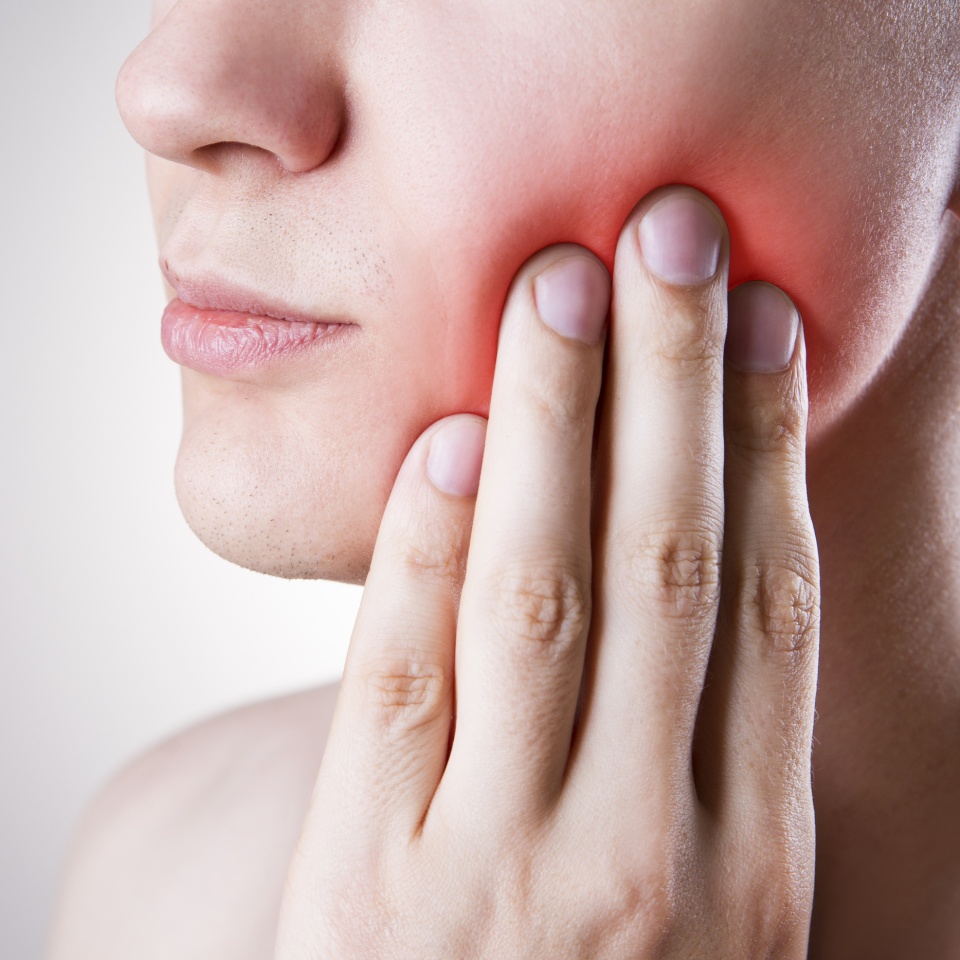
Common TMD Symptoms That Affect Daily Life
TMJ disorders create various symptoms that often worsen over time without appropriate treatment, making early intervention crucial for optimal outcomes:
Jaw Joint and Muscle Pain
Persistent aching or sharp pain in the jaw joints, muscles of mastication, or surrounding facial areas that may worsen with jaw movement.
Persistent Headaches and Migraines
Chronic tension headaches, often concentrated in the temples, that result from strained jaw muscles and joint dysfunction.
Ear Pain and Pressure
Discomfort deep in the ears, ringing sounds (tinnitus), or feeling of fullness despite no actual ear infection or problem.
Jaw Clicking or Popping
Audible sounds when opening or closing the mouth, often accompanied by irregular jaw movement or temporary catching sensations.
Limited Jaw Movement
Difficulty opening your mouth fully, or jaw locking in open or closed positions requiring manual manipulation to release.
Bite Changes
Feeling that your teeth don’t fit together properly, or noticing shifts in how your upper and lower teeth contact each other.
Root Causes Behind TMJ Disorders
Effective treatment requires identifying and addressing the underlying factors contributing to TMJ dysfunction rather than simply masking symptoms. Dr. Gaylor’s comprehensive evaluation examines multiple potential causes:
Stress and Muscle Tension
- Teeth Grinding (Bruxism): Nighttime clenching and grinding places excessive force on jaw joints and muscles, leading to inflammation, pain, and eventual joint damage. Many people grind their teeth unconsciously during sleep, creating tremendous pressure that normal chewing never generates.
- Jaw Clenching: Stress-related jaw tension throughout the day creates chronic muscle fatigue and joint pressure. This unconscious habit often accompanies concentration or anxiety and keeps jaw muscles in constant contraction.
Structural and Bite Issues
- Malocclusion Problems: Improper bite alignment forces jaw muscles to work harder to bring teeth together, creating strain and eventual dysfunction. Even small discrepancies in bite can generate significant stress on the TMJ over time.
- Joint Displacement: TMJ disc displacement or damage affects smooth jaw movement and can cause clicking, popping, or locking symptoms. The articular disc acts as a cushion within the joint, and when it slips out of proper position, normal function becomes compromised.
- Previous Injuries: Trauma to the jaw, head, or neck from accidents, sports injuries, or even dental procedures can disrupt normal TMJ function and create lasting problems that require professional intervention.
Contributing Factors
- Arthritis: Both osteoarthritis and rheumatoid arthritis can affect the temporomandibular joint, causing inflammation, pain, and deterioration of joint structures.
- Poor Posture: Forward head posture and rounded shoulders alter the biomechanics of jaw movement, creating muscle imbalances that strain the TMJ system.
- Sleep Disorders: Conditions like sleep apnea are strongly associated with increased bruxism and TMJ symptoms, creating a cycle of dysfunction and disrupted rest.

The Benefits of Professional TMJ Treatment
Effective TMD therapy creates improvements that extend far beyond simple pain relief, enhancing overall quality of life and daily function:
- Reduced jaw and facial pain
- Decreased headache frequency and intensity
- Improved sleep quality and restfulness
- Better eating and speaking comfort
- Prevention of tooth damage from grinding
- Improved posture and neck health
- Enhanced stress management
- Better overall oral health maintenance
The Importance of Early TMJ Intervention
TMJ disorders often worsen progressively without treatment, making early professional intervention crucial for preventing more serious complications and preserving jaw function. What begins as occasional clicking or mild discomfort can evolve into debilitating pain, severe limitation of jaw movement, and significant dental damage.
Warning signs requiring attention include:
- Persistent jaw pain lasting more than a few days
- Difficulty opening mouth or jaw locking episodes
- Frequent headaches accompanied by jaw symptoms
- Changes in bite or tooth alignment
- Grinding sounds during jaw movement
- Worsening symptoms over time
Comprehensive TMD Treatment Approaches
Dr. Gaylor’s multi-faceted treatment strategy addresses both immediate symptom relief and long-term jaw health improvement through various therapeutic interventions based on her Dawson Academy training in occlusion and functional dentistry.
Conservative Treatment Methods for Jaw Pain
- Custom Oral Appliances: Night guards and bite splints reduce grinding forces while repositioning the jaw into more comfortable, functional positions during sleep. Dr. Gaylor designs these appliances with precise attention to bite relationships, ensuring they support rather than disrupt proper jaw function.
- Physical Therapy Techniques: Targeted exercises improve jaw mobility, strengthen supporting muscles, and reduce tension in surrounding tissues. Dr. Gaylor provides instruction in self-care techniques including gentle stretching, massage, and heat/cold therapy.
- Stress Management Strategies: Addressing underlying stress through relaxation techniques, lifestyle modifications, and awareness training helps reduce muscle tension. Many patients find that mindfulness practices and biofeedback significantly improve TMJ symptoms.
- Bite Adjustment Therapy: Selective reshaping of tooth surfaces can improve bite alignment and reduce strain on jaw joints and muscles. Dr. Gaylor uses precise diagnostic techniques to identify bite interferences that contribute to TMJ dysfunction. Because bite adjustment permanently changes tooth surfaces, it is considered only after careful diagnosis and conservative care.
Advanced TMJ Treatment Options
- Orthodontic Intervention: Comprehensive bite correction through orthodontic treatment addresses structural causes of TMJ dysfunction. In cases where significant malocclusion contributes to symptoms, repositioning teeth may be necessary for lasting relief.
- Collaborative Care: For complex cases, Dr. Gaylor may coordinate with physical therapists, orthodontists, or other specialists to provide comprehensive treatment that addresses all aspects of your TMJ disorder.
What to Expect During Your TMJ Evaluation
Dr. Gaylor conducts a comprehensive examination to identify the causes of your TMJ disorder and develop an effective treatment plan.
- Detailed Medical and Dental History: Understanding your symptoms, when they occur, what triggers them, and how they affect your daily life provides crucial diagnostic information. Dr. Gaylor also reviews any previous injuries, dental work, or health conditions that may contribute to TMJ dysfunction.
- Clinical Examination: Dr. Gaylor carefully evaluates jaw movement, muscle tenderness, joint sounds, and bite relationships. She assesses range of motion, palpates muscles for trigger points and tension, and observes how your jaw tracks during opening and closing movements.
- Advanced Diagnostic Technology: Digital X-rays, photographs, and bite analysis help Dr. Gaylor visualize bone structure, identify joint abnormalities, and understand how your teeth come together. In some cases, additional imaging like MRI may be recommended for detailed evaluation of joint structures.
- Personalized Treatment Planning: Based on examination findings, Dr. Gaylor develops a customized treatment plan that addresses your specific causes and symptoms. She explains all options, expected timelines, and what you can do at home to support healing and prevent recurrence.

Clinically reviewed by Marilyn Gaylor, DDS, AACD Accredited Dentist
Frequently Asked Questions About TMJ/TMD Treatment
-
Persistent jaw pain, clicking sounds, headaches, difficulty opening your mouth, and changes in your bite are common TMD signs requiring professional evaluation and diagnosis.
-
While many patients achieve significant symptom relief and return to normal function, TMD management often requires ongoing attention to maintain jaw health and prevent symptom recurrence through proper bite care and stress management.
-
Treatment timelines vary based on severity and chosen therapies, with some patients experiencing relief within weeks while others require months of comprehensive care for complex cases.
-
Coverage varies by plan and treatment type. Our team will help verify your benefits and discuss payment options for TMD therapy services.
-
Yes, stress often contributes to teeth grinding and jaw clenching that strain the TMJ system, making stress management an important component of successful treatment.
-
Most TMJ disorders respond well to conservative treatment. Dr. Gaylor recommends surgery only in rare cases where non-surgical approaches have been unsuccessful.

Why Choose Cosmetic Dentistry of Atlanta for TMJ Treatment
Dr. Gaylor’s specialized training at the Dawson Academy in occlusion and bite harmony provides her with advanced expertise in diagnosing and treating complex TMJ disorders. Her conservative, evidence-based approach addresses individual symptoms while treating underlying causes for lasting relief. Combined with her AACD Accreditation and decades of experience in functional dentistry, you’ll receive TMJ treatment that goes beyond symptom management to restore proper jaw function and prevent future problems. With advanced technology and a genuine commitment to patient comfort, our practice offers comprehensive TMJ care at the highest level.
Learn More Why Choose UsFind Relief from TMJ Pain in Atlanta
Don’t let TMJ pain control your daily life and activities. If you’re experiencing jaw pain, headaches, or other TMD symptoms, contact Cosmetic Dentistry of Atlanta today to schedule your comprehensive evaluation with Dr. Gaylor. Serving patients throughout Atlanta, Vinings, Buckhead, and surrounding communities, we’re here to help you discover how professional treatment can restore comfortable jaw function and improve your overall quality of life.